 Proxy // active file
 Dedication
For the stack that made Siege feel like home.
This guide is dedicated to the nights that turned into sunrise queues, the last-second clutches, the terrible calls that somehow worked, and the people who made every round worth remembering. Some games are just games. Some become part of your life.
Every username below carries a thousand callouts, laughs, bad pushes, miracle retakes, and memories that never really left.
Here's to more Siege nights in the future.
Shared ground
DIMC was the backdrop. The stack made it unforgettable.
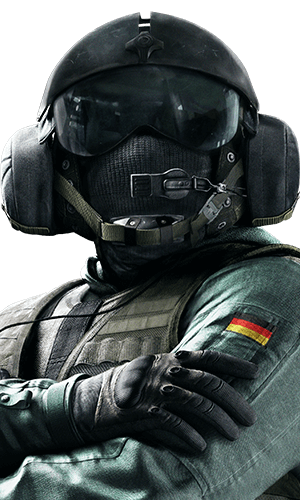
Proxy // active file  Tariq // operator portrait
  Tariq // campus years
 warfareguy04SNS_V10SwearsarehalalANTICODON2Dynastypk718MajinMuizz29MprockxxNumeedaddySaadirfan1TTShafi
Structured like a premium revision guide
Rainbow Six Siege Operator Guide Roster // 78 Attack // 40 Defense // 38
Study Rainbow Six Siege Like It Matters
A high-yield tactical study guide for mastering operators, roles, gadgets, and team utility. Designed to feel like a lovely crossover between a premium MedifyHELP handbook and a cinematic Siege operator dossier.
High-yield starting point Roles before mechanics
Latest spotlight Solid Snake
Best beginner path Support, breach, intel
Special feature operator Unique gadget
Dr. Tariq "PROXY" Mansoor
Pakistan // DIMC Karachi
A custom operator concept born from lecture halls, Karachi campus lore, and the beautiful nonsense that only old stack stories can produce. Proxy is not just a joke turned into a card. He feels like the kind of defender your group would remember forever.
Armor 2 / Med
Speed 2 / Med
Primary MP5K Submachine
Secondary Keratos .357
Synthetic Attendance Node
Deploys up to three smart decoys disguised as DIMC academic notice boards. The nodes mimic footsteps, reloads, and MedifyHELP VivoPulse alerts. If an attacker shoots one or gets within three meters, it detonates into smart-dust and reveals their exact position to defenders for ten seconds.
"They breach holding angles. I breach holding roll-call. We are not the same."
Study modules
A clearer, more beautiful way to move through the game
The guide is split into modules so it feels closer to a premium revision product than a long fan article.

Attack guide
Learn how attacking operators create access, intel, and tempo.
Study the roster the same way strong teams draft it: opening space first, protecting the execute second, and keeping flank control live until the plant.

Defense guide
Understand denial, surveillance, anchoring, and route punishment.
Defenders reward disciplined study because their value comes from layered systems: cameras, traps, utility denial, and time pressure working together.

Quick revision
Use focused comparison pages when you need a faster answer.
Some study sessions should be broad; others should answer one precise question like Thermite versus Ace or Jager versus Wamai.
First-pass learning path 01 02 03
Build understanding in the same order strong players build rounds
Start broad, keep the language clean, and let each page teach one idea well. That is what gives the guide a proper study-guide rhythm instead of a messy encyclopedia feel.
Classify the operator
Start with side, lane, and core job. If you cannot say what problem the operator solves, you are not ready for the finer details.
Attach the gadget to the job
Treat the unique gadget as the mechanism that delivers value, not the value itself. This keeps the guide practical instead of lore-heavy.
Compare similar picks
Most meaningful understanding appears when operators are studied in clusters. The right comparison reveals timing, map fit, and team value.
Featured dossiers
High-value operators to study first
A balanced starting deck: custom concept, entry, breach, support, intel, and denial all represented so the site immediately teaches spread as well as detail.